Klaus Patau
Silent SpringKlaus Patau appears as a research leader in the book’s account of chromosome abnormalities, heading a University of Wisconsin group investigating congenital defects linked to the duplication of part of a chromosome. His work gives a concrete focus to a developing field: tracing how errors in chromosome formation may interfere with an embryo’s normal development and help explain serious conditions present at birth.
Research on Congenital Abnormalities
Patau’s group concentrated on congenital abnormalities that usually included intellectual disability. The book describes these cases as potentially resulting from the duplication of only part of a chromosome, rather than the presence of an entire extra chromosome. The distinction matters: a partial duplication could seriously damage development without necessarily preventing the embryo from surviving.
A Proposed Chromosomal Mechanism
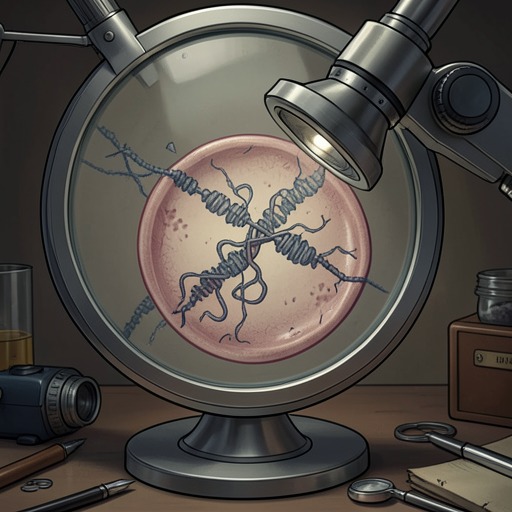
The account offers a possible explanation for how such partial duplications arise. During the formation of a germ cell, a chromosome may break, and its pieces may not be redistributed properly. If the resulting chromosome arrangement is carried into development, the mishap can interfere with the embryo’s normal formation. The passage presents this as a proposed mechanism, not a settled explanation for every affected child.
Significance and Limits of the Evidence
The research is set within a broader, international effort to understand chromosome abnormalities. The book contrasts the likely lethality of an entire extra body chromosome with the possibility that an extra attached fragment, though seriously damaging, may be compatible with survival. According to the Wisconsin investigators, this circumstance may account for a substantial share of cases that had remained unexplained in children born with multiple defects, usually including intellectual disability. The field is described as so new that its conclusions remain provisional; Patau’s significance here lies in the effort to connect a specific chromosomal irregularity with developmental consequences, while acknowledging how much remained unknown.